Frequently Asked Questions | Dr. Saad Alsubaie
Welcome to Aeterna Aesthetic Plastic Surgery in Edinburg, Texas. Choosing plastic surgery is a significant decision, and Dr. Saad Alsubaie is committed to helping you feel confident, informed, and prepared before you move forward. Whether you’re considering a deep plane facelift, rhinoplasty, neck lift, breast augmentation, breast lift, liposuction, mommy makeover, tummy tuck, gender-affirming breast surgery, or facial feminization surgery, this page brings common questions into one easy-to-navigate resource for patients across South Texas and the Rio Grande Valley.
If you don’t find the answer you’re looking for, call (956) 287-4345 or send us a message.
Aeterna Aesthetic Plastic Surgery FAQs
Where is Aeterna Aesthetic Plastic Surgery located?
Aeterna Aesthetic Plastic Surgery is located at 1506 S Lone Star Way, Suite 1, Edinburg, TX 78539.
Who is Dr. Saad Alsubaie?
Dr. Saad Alsubaie is a double board-certified, fellowship-trained plastic surgeon with elite training that includes the Mayo Clinic. Patients
What procedures does Dr. Saad Alsubaie specialize in?
Dr. Alsubaie specializes in aesthetic surgery of the face, breasts, and body, as well as gender-affirming procedures. Some of these include deep plane facelift, rhinoplasty, neck lift, breast augmentation, breast lift, liposuction, mommy makeover, tummy tuck, gender-affirming breast augmentation, gender-affirming mastectomy, and facial feminization surgery.
Do you accept insurance?
Most procedures on this page are cosmetic and are typically paid for out of pocket. If your goals include a functional concern, our team can explain what documentation may be helpful for your personal records.
How do I schedule a consultation with Dr. Saad Alsubaie?
Call (956) 287-4345 or send us a message to schedule a consultation. Our team will help you choose the right appointment type and explain what to prepare ahead of time.
Do you offer virtual consultations?
Yes. Virtual consultation options may be available for select patients and early planning, especially for those traveling from outside the area.
What financing options are available?
Financing options may be available, and our team can review timing, estimates, and payment expectations during the consultation process.
What areas do you serve?
We welcome patients from across South Texas and the Rio Grande Valley, including Edinburg, McAllen, Mission, Pharr, Harlingen, and the surrounding communities.
What should I expect during my first consultation?
Your consultation is designed to be thorough and personal. Dr. Alsubaie will discuss your goals, evaluate your anatomy, review your health history, and recommend a plan based on what will be safest and most predictable.
What makes Aeterna Aesthetic Plastic Surgery different?
Patients often value a physician-led experience that prioritizes education, honest recommendations, and results designed to look natural rather than overdone.
Deep Plane Facelift FAQs
What is a deep plane facelift?
A deep plane facelift lifts deeper facial support layers rather than simply tightening skin, which helps create a more natural-looking rejuvenation. It is designed to improve midface descent, jowls, and deeper folds caused by tissue sagging.
How is a deep plane facelift different from a traditional facelift?
Traditional facelifts can focus more on surface tightening, while a deep plane approach repositions deeper tissues for a smoother, more structural refresh. This can reduce the risk of a tight or “pulled” appearance.
What concerns does a deep plane facelift improve best?
Patients often choose it for jowling, a softened jawline, midface sagging, and deeper nasolabial folds related to descent rather than fine surface wrinkles.
Will a deep plane facelift make me look like myself?
That is the goal. Deep plane techniques are designed to refresh and restore facial contours while preserving your facial identity and expressiveness.
Where are deep plane facelift scars located?
Dr. Alsubaie places incisions typically around the ears and within hairline contours so they can heal in discreet locations. Scar visibility also depends on skin type, healing, and aftercare.
Can a deep plane facelift improve my neck, too?
It can improve the jawline-to-neck transition, but significant neck laxity often benefits from a neck lift for the most balanced result. Dr. Alsubaie will explain whether your neck needs separate attention.
What is the typical age range for deep plane facelift patients?
Many candidates are in their 40s to 70s, but candidacy depends more on anatomy and degree of laxity than age alone.
How much downtime should I plan?
Most patients plan roughly 10 to 14 days of social downtime depending on bruising and swelling, with continued refinement over the following weeks.
How long will my deep plane facelift results last?
Results are long-lasting, and many patients enjoy benefits for years while still aging naturally. Lifestyle, genetics, and skin care can influence longevity.
Can a deep plane facelift be combined with other procedures?
Yes. Many patients combine facelift surgery with a neck lift or eyelid-focused procedures when multiple areas contribute to aging changes. Dr. Alsubaie will recommend any complementary procedures he feels will help you achieve your aesthetic goals during your consultation.
What should I do to prepare for deep plane facelift recovery?
Planning ahead helps you stay comfortable and consistent with aftercare:
- Arrange time off work and avoid major events early on
- Set up head elevation and a comfortable rest space
- Prepare simple meals, hydration, and easy-to-reach essentials
- Plan for rides to follow-up appointments and support the first 24 hours
When these steps are in place, the first 2 weeks tend to feel calmer and swelling often resolves more predictably.
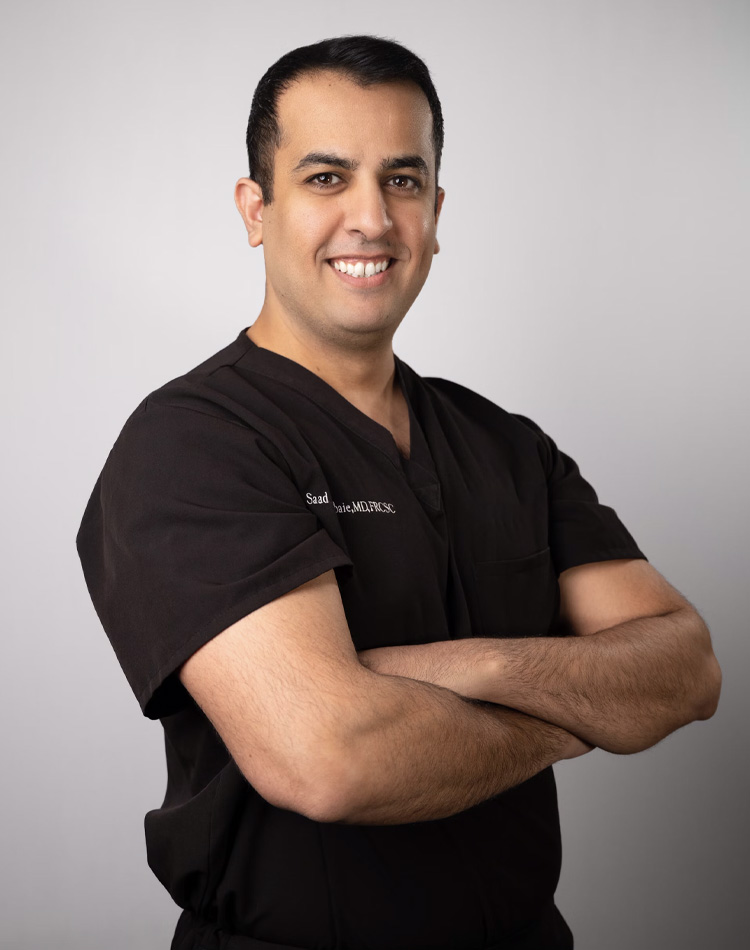
Meet Saad Alsubaie MD,FACS,FRCSC
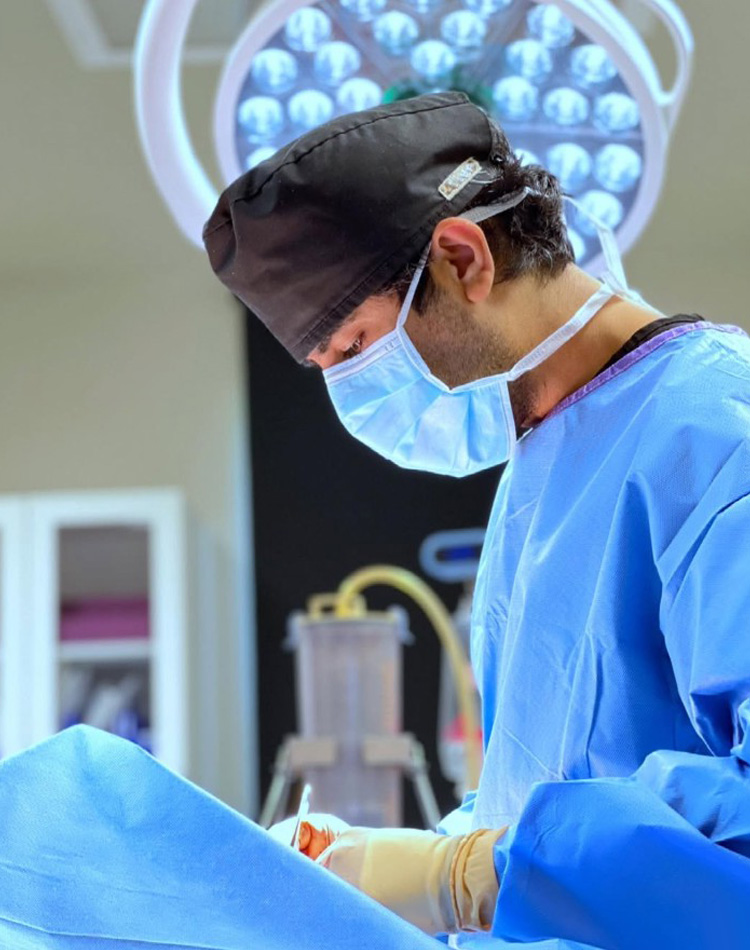
As a double board-certified plastic surgeon with nearly two decades of experience and thousands of successful procedures to his name, Dr. Alsubaie consistently performs surgeries with exceptional accuracy, efficiency, and safety. Each day, he is committed to achieving the best possible results for his patients.
Rhinoplasty FAQs
What is rhinoplasty?
Rhinoplasty reshapes the nose to improve appearance, function, or both. During your consultation, Dr. Alsubaie will plan your procedure, focusing on balancing the nose with your facial features while protecting nasal support.
What concerns can rhinoplasty address?
Rhinoplasty can refine the bridge, tip, and nostrils, improve symmetry, and enhance profile balance. It can also address structural issues that affect breathing when functional work is needed.
How do you decide between cosmetic rhinoplasty and functional rhinoplasty?
Your consultation with Dr. Alsubaie focuses on your aesthetic goals and any breathing symptoms. If function is a concern, structural support and airway stability will become key parts of the plan.
What is the difference between open and closed rhinoplasty?
Open rhinoplasty uses a small incision under the nose for enhanced visibility and precision, while closed rhinoplasty keeps incisions inside the nostrils with no external scar. Dr. Alsubaie will determine the right approach based on your anatomy and the level of structural change needed.
Will I have bruising after rhinoplasty?
Bruising varies by patient and technique, especially if the nasal bones are adjusted. Any bruising typically improves noticeably over the first 1 to 2 weeks.
How long does swelling last after rhinoplasty?
Swelling improves in stages. Many patients look presentable after the early healing window, but final refinement can take months, with the tip often taking the longest to settle.
When can I return to work after rhinoplasty?
Many patients plan about 1 to 2 weeks depending on swelling, bruising, and comfort being seen. Dr. Alsubaie will detail your activity restrictions and what you can do to protect your healing nose.
Can rhinoplasty be combined with other facial procedures?
Yes. Some patients combine rhinoplasty with chin refinement or facial rejuvenation procedures when a balanced profile is part of the goal.
How do you keep rhinoplasty results looking natural?
Natural results come from proportion, structural support, and avoiding overly aggressive reduction that can compromise airflow or look “pinched.”
What should I avoid during early recovery?
The nose must be protected from pressure and impact while tissues heal. Dr. Alsubaie will guide you on wearing glasses, continuing exercise, sleeping position, and sun exposure.
What should I do to prepare for rhinoplasty and the first week of recovery?
A simple plan improves comfort and reduces stress:
- Arrange a driver and a support person for the first 24 hours
- Set up head elevation for sleep and rest
- Plan easy meals and hydration options
- Keep your schedule light and avoid strenuous activity until cleared
When you protect your nose consistently, swelling tends to resolve more smoothly and refinement is easier to appreciate over time.
Neck Lift FAQs
What concerns does a neck lift address?
A neck lift addresses loose neck skin, visible banding, and contour issues that blur the jawline. It can also improve fullness under the chin when laxity and structural support are part of the problem.
Am I a good candidate for a neck lift
Good candidates are bothered by neck laxity that does not respond to non-surgical treatments and are in good overall health with realistic expectations. Your consultation with Dr. Alsubaie will clarify whether your main issue is skin, muscle, fat, or a combination.
What is the difference between a neck lift and a facelift?
A neck lift focuses on the neck and jawline, while a facelift addresses the lower face and midface as well. Many patients benefit from combining them to create a smooth transition from face to neck. During your consultation, Dr. Alsubaie will examine your features and recommend combining procedures if it is appropriate for you.
At what age do patients typically get a neck lift?
There is no single “right age.” Candidacy depends more on anatomy and degree of laxity than the number on the calendar.
Where are neck lift incisions placed?
Incisions are typically placed around the ears and may include a small incision under the chin depending on your needs. Dr. Alsubaie will plan placement to keep your scars discreet.
Is neck liposuction the same as a neck lift?
No. Liposuction removes fat but does not tighten muscles or remove excess skin. A neck lift addresses deeper support and skin laxity, which is often necessary for a defined jawline
Will a neck lift improve my jawline?
Yes. By tightening underlying structures and improving neck contour, many patients see a sharper jawline and a cleaner neck angle.
How much downtime should I plan?
Many patients plan about 10 to 14 days of social downtime, depending on bruising and swelling. Continued refinement occurs as tissues settle.
Will I need a compression garment?
Many neck lift plans include wearing a compression garment for a period of time to help manage swelling and support the contour during healing.
How long do neck lift results last?
Results are long-lasting, though natural aging continues. Sun protection and consistent skin care help maintain improvements.
What should I do to prepare for neck lift recovery?
Preparation supports smoother healing and less stress:
- Plan time off and avoid major events early on
- Set up head elevation and comfortable sleep positioning
- Arrange help for the first 24 hours and rides to follow-ups
- Follow garment and activity instructions consistently
When aftercare is consistent, swelling tends to resolve more evenly and jawline definition often becomes clearer week by week.
Breast Augmentation FAQs
What is breast augmentation?
Breast augmentation uses implants to increase volume, improve shape, and enhance overall proportion. Many patients also choose it to restore fullness after pregnancy, weight changes, or aging.
How do you decide which implant type is best for me?
Implant selection depends on your anatomy, tissue characteristics, and goals for look and feel. Dr. Alsubaie will discuss your options and what each choice means for shape and long-term support.
How do you help patients choose implant size?
Dr. Alsubaie will guide your implant sizing based on chest width, existing breast tissue, skin elasticity, and your preferred aesthetic. The goal is a proportional result that fits your lifestyle, not just a cup-size target.
Where are incisions typically placed?
Incision location is selected based on your anatomy and surgical plan, with an emphasis on safe placement and discreet scar positioning.
Implant placement over the muscle or under the muscle – how is that determined?
Placement depends on tissue thickness, desired contour, and support considerations. Dr. Alsubaie will explain how each option affects cleavage, implant visibility, and recovery.
Will implants look high or feel tight at first?
Yes, that can be normal. Swelling and tissue tightness often make implants sit higher early on, with gradual settling as healing progresses.
When can I return to work after breast augmentation?
Many patients with desk-based work return sooner than those with physically demanding jobs. Your timeline depends on activity level and how you heal.
When can I exercise after breast augmentation?
Dr. Alsubaie encourages gentle walking early on, but lifting and strenuous exercise must wait until cleared. Upper-body workouts typically return later and should restart gradually.
Can I breastfeed after breast augmentation?
Many patients can breastfeed after augmentation, but it cannot be guaranteed. Your personal anatomy, incision approach, and future plans should be discussed during consultation with Dr. Alsubaie.
How long do implants last?
Implants are long-lasting but not lifetime devices. Long-term monitoring and future decisions vary by patient and implant type.
What should I do to prepare for breast augmentation recovery?
A realistic plan makes early healing easier:
- Arrange help for lifting limits and early errands
- Prepare loose, front-opening tops to avoid overhead strain
- Keep essentials within reach so you are not stretching or straining
- Plan a lighter schedule so you can rest and walk consistently
When your home setup is ready, it is easier to follow restrictions that protect healing and support a smoother settling process.
Breast Lift FAQs
What is a breast lift?
A breast lift reshapes and elevates the breasts by removing excess skin and repositioning tissue and the nipple-areola complex. The goal is a more lifted, supported contour.
How do I know if I need a lift versus implants?
If sagging and nipple position are your main concerns, a lift is often the solution. If volume loss and upper fullness are your concerns, Dr. Alsubaie will discuss augmentation or the potential benefits from combining both.
Can a breast lift be combined with breast augmentation?
Yes. A lift with implants is often recommended when you want both elevation and added fullness. The plan is customized to your anatomy and tissue support.
Will a breast lift change my cup size?
A lift primarily changes shape and position rather than adding volume. Some patients feel slightly smaller due to tightening, while others feel fuller because the breast sits higher.
What scars should I expect after a breast lift?
A lift requires incisions, and scar pattern depends on how much lift is needed. Scars typically fade with time, and scar care plays a role in how they mature.
Will nipple sensation change after a breast lift?
Temporary changes can occur and often improve as nerves recover, but sensation outcomes can vary. During your consultation, Dr. Alsubaie will discuss this aspect as part of informed consent and planning.
How long is recovery after a breast lift?
Most patients feel the most limitation in the first 1 to 2 weeks, with gradual return to routine activity. Shape continues refining for months as swelling resolves.
When can I return to work and exercise?
Desk work often allows an earlier return than physical work. You can gradually resume exercise, with heavy lifting and upper-body strain restricted until cleared.
How long do breast lift results last?
Results are long-lasting, but aging, pregnancy, and weight changes can alter breast shape over time.
Can a breast lift improve asymmetry?
Yes. Many plans include symmetry refinement through reshaping and nipple positioning, with the goal of improvement rather than perfect mirroring.
What should I do to protect breast lift results long-term?
Consistent habits can help your result hold up more predictably:
- Maintain stable weight to reduce tissue stretching
- Wear supportive bras for daily comfort and exercise
- Follow scar-care guidance once you are cleared to begin
- Protect scars from sun exposure during healing
These habits support more consistent healing and can help preserve your shape as your body changes over time.
Liposuction FAQs
What is liposuction designed to do?
Liposuction removes stubborn pockets of subcutaneous fat to improve shape and proportion. It is a contouring procedure rather than a primary weight-loss solution.
What areas can liposuction treat?
Common areas include the abdomen, flanks, back, thighs, arms, and under the chin. During your consultation, Dr. Alsubaie will customize your plan to maintain smooth transitions and balanced proportion.
What is Lipo 360?
Lipo 360 typically refers to treating the waistline from multiple angles, often including the abdomen, flanks, and back. It is designed to improve the trunk contour more completely rather than focusing only on the front.
Is liposuction a good option if I have loose skin?
Liposuction removes fat but does not reliably tighten significant skin laxity. If loose skin is the primary issue, a skin removal procedure may be a better match.
How much downtime should I plan after liposuction?
Downtime depends on how many areas are treated. Many patients return to light activity relatively quickly, with swelling improving over weeks.
Will I need compression after liposuction?
Yes. Compression is commonly used to manage swelling and help the contour settle. Your timeline depends on the extent of treatment.
When will I see results after liposuction?
Some improvement is visible early, but swelling can hide definition. Many patients see steady refinement over 1 to 3 months as swelling resolves.
Does fat come back after liposuction?
The fat cells that are removed will not return, but remaining fat cells can grow larger with weight gain. Maintaining a stable weight can helpspreserve results.
Can liposuction be combined with other procedures?
Yes. Liposuction is commonly combined with tummy tuck or breast procedures when appropriate and safe. During your consultation, Dr. Alsubaie will help you determine if combined procedures will benefit you.
Can liposuction improve cellulite?
Cellulite is related to fibrous bands and skin structure, not just fat volume. Liposuction may not reliably improve cellulite and is not considered a primary cellulite treatment.
What should I do during recovery to support the best contour?
Consistency supports smoother results:
- Wear compression as directed and keep it consistent
- Walk daily, but avoid strenuous workouts until cleared
- Stay hydrated and keep sodium reasonable to help swelling
- Maintain stable weight so results are not masked by new fat gain
When aftercare is consistent, swelling tends to resolve more evenly and your contour becomes easier to maintain.
Mommy Makeover FAQs
What is a mommy makeover?
A mommy makeover is a customized combination of procedures designed to address common changes after pregnancy and breastfeeding. It often focuses on the breasts and abdomen, with contouring added when needed.
What procedures are commonly included in a mommy makeover?
Many plans include a tummy tuck plus a breast procedure such as augmentation, lift, or a combination of procedures. Liposuction may be included for waistline refinement when appropriate.
Do I need to be done having children before a mommy makeover?
Most patients do best when they are finished having children, since pregnancy can stretch repaired tissues and change breast shape again. If future pregnancies are part of your plan, be sure to discuss your options with Dr. Alsubaie.
When is the best time after pregnancy to consider surgery?
Timing depends on healing, weight stability, and breastfeeding status. Your consultation with Dr. Alsbubaie will help you identify a safe and realistic timeline.
Can a mommy makeover address diastasis recti?
Yes. If abdominal muscle separation is present, Dr. Alsubaie will include muscle repair in your tummy tuck planning.
How long will I need help at home?
Most patients need help during the first week, especially for lifting children, laundry, groceries, and household tasks.
How long will I be out of work?
Time off depends on procedure mix and job demands. For many desk-based jobs, plan around 2 weeks off, while physical jobs often require longer.
Is it better to combine procedures or stage them?
Both options exist. Combining can mean one recovery period, while staging can reduce surgical time and simplify each recovery. During your consultation, Dr. Alsubaie will recommend that appropriate timing for your unique situation.
How long does it take to see final results?
You will see changes early, but swelling can last for weeks. Refinement continues over months as tissues settle and scars mature.
How do you keep results looking natural and proportional?
Planning focuses on balance and tissue support rather than doing the maximum number of procedures. The goal is a cohesive result that fits your proportions and real-life lifestyle.
What should I do to plan a smoother mommy makeover recovery?
Planning ahead reduces stress and protects results:
- Arrange childcare and household help for at least the first week
- Prepare a recovery space that supports elevation and short walks
- Stock easy meals, hydration, and essentials within easy reach
- Block time off work and keep your calendar light during early healing
When support is in place, you can focus on rest and follow restrictions that protect both your breast and abdominal results.
Tummy Tuck FAQs
What is a tummy tuck?
A tummy tuck removes excess abdominal skin and can tighten the abdominal wall when muscle separation is present. The goal is a flatter, smoother abdomen with improved contour.
What is the difference between a mini tummy tuck and a full tummy tuck?
A mini tummy tuck addresses a smaller amount of lower abdominal laxity in select patients. A full tummy tuck addresses broader skin and muscle changes and typically involves belly button repositioning.
Can a tummy tuck fix diastasis recti (separated muscles)?
Yes. If separated muscles are contributing to bulging and reduced core support, muscle repair can be part of the plan.
Will a tummy tuck remove stretch marks?
A tummy tuck can remove stretch marks located on the skin that is excised, often below the belly button. Stretch marks outside that area may remain.
Will I have drains after surgery?
Some tummy tuck plans include drains, while others use techniques designed to reduce fluid buildup. Your consultation clarifies what your plan includes.
How long does it take to stand up straight after surgery?
Many patients walk slightly bent early on due to tightness. Posture typically improves over the first 1 to 2 weeks as tissues relax and swelling decreases.
When can I return to work after a tummy tuck?
Many patients plan about 2 weeks off for desk work. More physical jobs often require longer, and your timeline depends on the extent of surgery and healing progress
When can I exercise again?
Walking starts early, but strenuous workouts and heavy lifting must wait until cleared. Core training usually returns later and requires a gradual restart.
How long does it take to see final results?
You will see change early, but swelling improves over weeks and refinement continues for months as tissues settle.
Where will my tummy tuck scar be?
Dr. Alsubaie will plan your scar placement low on the abdomen so it can be concealed by typical underwear and swimwear. Your exact scar depends on anatomy and how much skin must be removed.
What should I have ready at home for tummy tuck recovery?
Preparation makes early recovery calmer and safer:
- Arrange help for lifting, childcare, errands, and meals
- Set up a recovery space with pillows for elevation and easy movement
- Place essentials at counter height to reduce bending and reaching
- Plan loose clothing and keep your schedule light for the first two weeks
When preparation is done ahead of time, it is easier to rest, move safely, and follow restrictions that support a smoother contour.
Gender-Affirming Breast Augmentation FAQs
What is gender-affirming breast augmentation?
Gender-affirming breast augmentation is a procedure designed to create a fuller, more feminine chest contour that aligns with your gender identity. Implant selection and placement are customized to your anatomy and goals. Dr. Alsubaie will guide you through these decisions to ensure you achieve your expected goals.
Who may be a good candidate for gender-affirming breast augmentation
Candidates are generally in good overall health, have stable expectations, and are seeking chest feminization that fits their body proportions. During your consultation, Dr. Alsubaie focuses on safety, anatomy, and the look you want to achieve.
How is planning different from traditional breast augmentation?
Planning with an expert like Dr. Alsubaie can account for differences in chest width, skin envelope, and existing tissue. The goal is a natural, balanced result that fits your frame and desired presentation.
What implant options are available?
Options typically include different implant materials and profiles. Dr. Alsubaie will recommend choices based on your anatomy, goals for projection, and long-term support considerations
Where are incisions typically placed?
Incision location is chosen to support safe placement and discreet scarring. Dr. Alsubaie will individualize your plan based on anatomy and implant selection.
Over the muscle or under the muscle – how is implant placement decided?
Placement decisions depend on tissue thickness, contour goals, and support needs. Dr. Alsubaie will explain how placement affects cleavage, implant visibility, and recovery.
Will I need hormones before gender-affirming breast augmentation?
Some patients have been on hormone therapy, while others pursue surgery for personal reasons and timelines. Your consultation with Dr. Alsubaie focuses on what is medically appropriate for you and what will support safe healing.
How long is recovery, and when can I return to work?
Recovery varies, but many patients return to desk-based work sooner than to physically demanding jobs. Activity restrictions and gradual return to exercise are part of a safe plan.
Can implants be adjusted or exchanged in the future?
Yes. Implants are not lifetime devices, and future revision may be necessary for aging changes, preferences, or implant integrity monitoring. During your consultation, Dr. Alsubaie will discuss this factor.
How do you keep results looking natural and proportional?
Natural results come from matching implant choice to chest width and tissue characteristics and avoiding oversizing when support is limited. The goal is proportion, not a one-size “ideal.”
What should I do to prepare for gender-affirming breast augmentation recovery?
Preparation supports comfort and peace of mind:
- Plan front-opening clothing and a light schedule for early healing
- Arrange help for lifting limits and early errands
- Keep essentials within reach to avoid overhead strain
- Follow garment and activity instructions consistently
When your recovery plan is realistic, swelling tends to resolve more predictably and the final contour settles more smoothly.
Gender-Affirming Mastectomy FAQs
What is gender-affirming mastectomy?
Gender-affirming mastectomy, also called top surgery, removes breast tissue to create a flatter, more masculine chest contour. Dr. Alsubaie tailors the plan to your anatomy and goals for chest shape and scar placement.
Who may be a good candidate for top surgery?
Many candidates experience chest-related dysphoria and want a chest contour that aligns with their identity. Candidacy also depends on health, stability, and readiness for surgery and recovery.
What are common technique options for top surgery?
Technique depends on chest size, skin elasticity, and desired scar pattern. Dr. Alsubaie will explain which approach best supports a smooth contour and appropriate nipple positioning.
Will nipples be resized or repositioned?
In many cases, yes. Nipple size and placement are planned to create a natural masculine chest appearance that matches your frame.
Can top surgery address extra skin as well as tissue?
Yes. Skin management is a major part of planning, especially when skin elasticity is limited or when a larger chest requires more reshaping.
How long is recovery after gender-affirming mastectomy?
Recovery varies by technique, but most patients need a period of rest, swelling management, and activity restrictions. Return to lifting and chest workouts is staged to protect healing
Will I need drains?
Some top surgery plans use drains to manage fluid buildup early on. Dr. Alsubaie will explain what your plan includes and why.
How soon can I return to work after top surgery?
Many patients return to desk-based work sooner than to physical work. Your exact timeline depends on technique, swelling, and job demands.
Can top surgery be combined with other procedures?
Sometimes. Combining procedures depends on surgical time, safety, and recovery demands. Dr. Alsubaie can discuss whether combining or staging best supports comfort and healing.
How long does it take scars to mature?
Scars continue to improve over many months. Early scar care and consistent follow-up help scars settle as favorably as possible.
What should I do to prepare for top surgery recovery?
Preparation makes the first two weeks easier:
- Arrange help for lifting, driving, and daily tasks early on
- Prepare a comfortable rest space and keep essentials within reach
- Plan front-opening clothing to avoid overhead motion
- Follow compression and activity restrictions exactly as directed
When aftercare is consistent, swelling tends to resolve more evenly and the chest contour becomes clearer as healing progresses.
Facial Feminization Surgery FAQs
What is facial feminization surgery (FFS)?
Facial feminization surgery is a customized set of procedures designed to soften facial features and create a more traditionally feminine appearance. The plan is individualized and based on your facial anatomy and goals.
Is FFS one surgery or multiple procedures?
It can be either. Some patients combine procedures in a single surgical plan, while others stage them to manage recovery and surgical time more comfortably.
What concerns can facial feminization surgery address?
FFS can address features such as the forehead, brow area, nose, chin, jawline, cheeks, and other areas where structure influences facial gender cues. Your consultation clarifies which areas matter most to you.
How do you decide which procedures are appropriate for my face?
Planning starts with your goals and a detailed facial analysis. Dr. Alsubaie will explain which changes are likely to make the biggest difference while keeping the result natural and balanced.
Can rhinoplasty be part of facial feminization surgery?
Yes. Rhinoplasty is commonly included or staged as part of an FFS plan when nose shape affects facial harmony and gender presentation.
Can a facelift or neck lift be included in an FFS plan?
Sometimes. When laxity or neck contour is part of the concern, combining or staging rejuvenation procedures may be discussed to keep results cohesive.
How long is recovery after facial feminization surgery?
Recovery depends on the procedures included. Swelling and bruising are expected early on, with gradual refinement over weeks and continued settling over months.
When can I return to work and normal routines?
Return timing depends on the extent of surgery and how public facing your work is. Many patients plan a meaningful social downtime window so they can heal privately.
Will scars be visible after facial feminization surgery?
Scar placement depends on the procedures performed. Incisions are planned in hairline and natural crease locations when possible, and scar care is discussed as part of recovery planning.
How do you set realistic expectations for FFS results?
FFS is highly individualized, and results depend on bone structure, soft tissue, and how the face heals. The goal is meaningful feminization while still looking like you.
What should I do to prepare for facial feminization surgery recovery?
Preparation supports comfort and emotional ease:
- Plan time off work and avoid major events during early swelling
- Arrange travel and lodging if you are coming from out of town
- Set up head elevation and a comfortable rest environment
- Keep your schedule light and follow follow-up appointments closely
When support is in place, it is easier to focus on healing and allow swelling to resolve gradually and predictably.
Schedule Your Consultation at Aeterna Aesthetic Plastic Surgery Today
Dr. Saad Alsubaie will help you understand your options and build a plan that fits your goals, anatomy, and timeline—whether you’re pursuing facial rejuvenation, body contouring, or gender-affirming surgery.
Contact Aeterna Aesthetic Plastic Surgery at (956) 287-4345 or send us a message to schedule your consultation today.